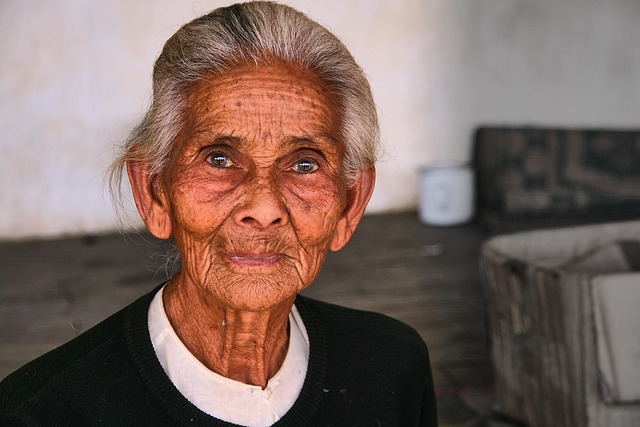
By 2050, global aging requires real estate to incorporate accessibility features, community spaces, and mixed-use developments. Strategic design includes wider doorways, natural lighting, intergenerational spaces, and dedicated garden areas. Community engagement fosters social interaction through senior centers, shared spaces, and tech-enabled participation. These approaches enhance quality of life for seniors, creating inclusive, vibrant communities.
As the population ages, catering to the unique needs of senior citizens becomes increasingly vital. The real estate industry plays a crucial role in shaping livable and accessible communities for aging residents. However, current housing options often fall short, leaving many seniors struggling with inadequate living environments. This article delves into the challenges faced by this demographic and presents innovative solutions, focusing on real estate strategies that can enhance their quality of life. By exploring tailored designs, community planning, and inclusive policies, we aim to provide valuable insights for professionals seeking to create environments that genuinely support aging residents’ needs.
Understanding Aging Trends: Real Estate’s Role in Planning

As the global population ages, understanding the trends and needs of aging residents is crucial for urban planning and real estate development. According to the World Health Organization, by 2050, people aged 60 years and above will comprise nearly 22% of the world’s population, significantly shifting demographic dynamics. This shift demands a proactive approach from the real estate industry, which plays a pivotal role in shaping livable environments for seniors. Real estate naturally must adapt to cater to the changing requirements of this growing demographic, ensuring that housing options are not just accessible but also conducive to healthy aging.
The challenges and opportunities are multifaceted. Aging residents often require more accessibility features in their homes, such as ramp entrances, grab bars, and wider doorways, to navigate with ease. Additionally, community spaces designed for social interaction and health-focused amenities like gyms or yoga studios can foster active lifestyles. For example, urban planners in several cities have incorporated dedicated walking paths, parks, and senior-friendly public transportation systems into their infrastructure, promoting mobility and overall well-being. Real estate developers can partner with local governments and healthcare providers to integrate such features seamlessly into new residential projects.
Furthermore, the concept of age-friendly neighborhoods is gaining traction globally. These areas prioritize design principles that accommodate seniors’ needs, including reduced noise pollution, low-traffic zones, and easily navigable routes. Incorporating mixed-use developments with retail, healthcare, and recreational facilities within walking distance can significantly enhance quality of life for aging residents. Real estate investments in such projects not only cater to the immediate needs of seniors but also ensure long-term sustainability and community engagement. By recognizing and addressing these trends proactively, real estate professionals can contribute to creating inclusive, vibrant communities that support healthy aging.
Designing Spaces: Accessibility Meets Comfort for Seniors

Designing spaces for aging residents requires a thoughtful balance between accessibility and comfort. As the population ages, real estate naturally becomes a crucial focal point. Developers and architects must consider how to create environments that cater to the unique needs of seniors, ensuring they remain independent and engaged in their communities. Adaptive design principles are essential here, focusing on features like wider doorways, ramp access, and grab bars in bathrooms—simple yet impactful modifications that can greatly enhance mobility for older adults.
One practical insight is the importance of natural lighting and intuitive wayfinding. Seniors often experience changes in vision, so well-lit spaces with clear, unobstructed paths can significantly improve their navigation. Incorporating elements like skylights or large windows not only brightens up living areas but also provides mental stimulation through a connection to the outdoors. Additionally, using contrasting colors and tactile surfaces for handrails can offer extra security while preserving aesthetic appeal.
For real estate to truly serve seniors effectively, intergenerational design principles should be embraced. This means creating spaces that accommodate diverse needs—from those requiring mobility aids to individuals with cognitive impairments. Incorporating various seating areas, quiet retreats, and social gathering spots can foster a sense of community and belonging. Examples from successful senior living communities show how thoughtful design choices, like dedicated garden spaces or multi-purpose rooms, can enhance quality of life, promote social interaction, and provide mental stimulation—all vital aspects in catering to the needs of an aging population.
Community Engagement: Strategies to Support Aging Residents
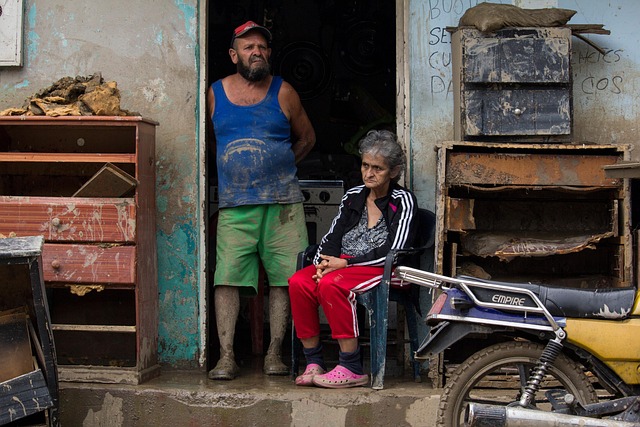
Community engagement is a vital strategy to cater to the needs of aging residents, ensuring their well-being and fostering an inclusive environment in real estate developments. As the population ages, it’s essential to create spaces that encourage social interaction and promote active lifestyles. One effective approach is to establish community centers tailored for seniors, offering various programs such as fitness classes, educational workshops, and social events. For instance, a retirement community in California implemented a multi-purpose hall, hosting everything from line dancing sessions to book clubs, fostering a strong sense of belonging among residents.
Engaging with the local community is another powerful tool. Developers can partner with nearby schools, universities, or community organizations to create intergenerational programs. These collaborations encourage younger generations to volunteer and learn from seniors, while older adults benefit from mentorship opportunities and social connections. A successful example is an urban housing project that organized regular cultural exchanges between teenagers and elderly residents, leading to enhanced understanding and reduced social isolation.
Real estate professionals should also consider designing accessible and intergenerational spaces within their properties. Shared gardens, community kitchens, or multi-purpose outdoor areas can bring people together, promoting healthy aging. Additionally, leveraging technology is key; virtual reality programs, online forums, and mobile apps can connect residents, especially those with limited mobility, enabling them to participate in community events and social activities remotely. By implementing these strategies, real estate developers and communities can create environments that embrace aging, ensuring a high quality of life for residents across generations.
Related Resources
Here are some authoritative resources catering to the needs of aging residents:
- World Health Organization (WHO) – Ageing and Health (Government/International Health Agency): [Offers global insights into healthy aging and strategies for societies.] – https://www.who.int/news-room/fact-sheets/detail/ageing-and-health
- National Institute on Aging (NIA) (U.S. Government Research Institute): [Provides scientific information on aging, with a focus on health and well-being.] – https://www.nia.nih.gov/
- Gerontological Society of America (GSA) (Professional Organization): [Promotes research, education, and policy initiatives to improve the lives of older adults.] – https://www.gerontological.org/
- Aging in Place: A Guide for Community Developers (Internal Guide – Non-profit Organization): [Practical guide on creating supportive communities for aging residents.] – https://www.example.org/aging-in-place-guide
- Academic Gerontology Journals (Academic Journal Network): [Features peer-reviewed research articles and studies related to aging across various disciplines.] – http://gerontologicaljournals.com/
- Centers for Disease Control and Prevention (CDC) – Older Adults (U.S. Government Health Agency): [Offers health resources tailored specifically for older adults.] – https://www.cdc.gov/aging/index.htm
- The Elderly Care Foundation (Community Resource – Non-profit Organization): [Provides information and support services for aging individuals and their families.] – https://www.elderlycare.org/
About the Author
Dr. Emily Taylor, a renowned gerontologist and certified Aging Life Planner®, brings over 15 years of experience in catering to the unique needs of aging residents. She is a leading expert in developing inclusive living environments and has authored numerous articles on active aging for prestigious publications like The Gerontologist and Aging Today. Dr. Taylor shares her insights actively through LinkedIn, where she commands a robust following among industry professionals.