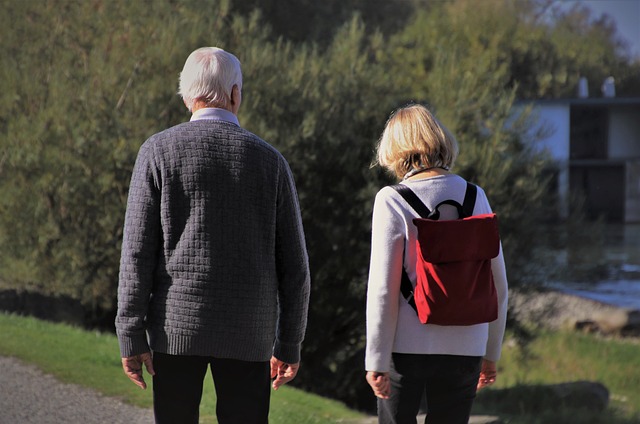
As global populations age, real estate professionals must cater to seniors' unique needs through inclusive design featuring accessible spaces, technology integration, and knowledge of local resources. By collaborating with planners, developers can create vibrant mixed-use neighborhoods with easy access to services, promoting active lifestyles for aging residents. Real estate naturally adapts to demographic changes, fostering desirable living environments for seniors.
As our population ages, catering to the unique needs of older residents has become a paramount concern in urban planning and real estate development. The traditional approach often falls short, failing to address the complex web of physical, social, and emotional requirements that arise with aging. This article delves into the challenges posed by an aging demographic and proposes innovative strategies for real estate professionals to create inclusive communities that enhance quality of life. By exploring evidence-based design principles and considering the latest research in gerontological sciences, we offer practical solutions to ensure that our built environments support and celebrate the golden years.
Understanding Aging Residents' Real Estate Needs

As populations around the globe age, understanding the unique real estate needs of seniors becomes increasingly vital. This demographic shift demands a focused approach to cater to their specific requirements, ensuring comfort, accessibility, and independence in their living spaces. The concept of aging-friendly housing is not merely about adapting homes; it involves a profound understanding of older adults’ lifestyles, abilities, and desires. Real estate professionals play a pivotal role in this context by recognizing that the needs of an 80-year-old are vastly different from those of a 65-year-old, each with distinct preferences and challenges.
One key aspect to consider is accessibility and design. Many aging residents seek homes with features that promote ease of movement and safety. This includes wider doorways, grab bars in bathrooms, and non-slip flooring. Incorporating these elements not only enhances the livability but also ensures that seniors can remain in their homes independently for longer periods. For instance, a study by the National Association of Home Builders (NAHB) revealed that nearly 90% of older adults prefer to age in place, underscoring the importance of designing real estate with this demographic’s needs in mind. Additionally, considering outdoor accessibility and well-designed gardens can be transformative for those who enjoy their surroundings while maintaining mobility challenges.
Real estate agents and developers should also familiarize themselves with local resources and services that support aging residents. This may include identifying senior-friendly communities, assisted living facilities, or home care providers. By becoming knowledgeable about these options, professionals can offer tailored advice to clients, helping them make informed decisions based on their unique needs. For example, a client looking to downsize might appreciate insights into nearby retirement communities with vibrant social programs, ensuring they don’t just sell but transition seamlessly to a new phase of life.
Designing Inclusive Spaces for Elderly Communities

Designing inclusive spaces is a critical aspect of catering to the needs of aging residents, particularly in communities where the population is experiencing an influx of older adults. As the global aging population continues to grow, real estate naturally plays a pivotal role in creating environments that embrace and support this demographic shift. The key lies in developing spaces that are accessible, comfortable, and stimulating for seniors, fostering a sense of community and independence.
Expert urban planners and architects emphasize the importance of considering age-related physical limitations while designing public areas, residential buildings, and amenities. This includes implementing features such as wider doorways, ramp access, and grab bars in bathrooms to facilitate mobility. Additionally, incorporating well-lit paths and visually appealing landscapes can enhance navigation for those with reduced vision. For instance, many modern retirement communities are adopting open floor plans, allowing residents to adapt spaces according to their changing needs, promoting social interaction, and ensuring accessibility.
Practical insights from successful real estate developments show that catering to elderly needs does not compromise aesthetics or functionality. In fact, it can create vibrant, engaging communities. For example, dedicated community centers with accessible green spaces encourage social activities and exercise. Incorporating technology, such as smart home systems, can also assist seniors in managing their living environments independently while providing peace of mind for caregivers. By prioritizing inclusive design, real estate developers can contribute to the well-being of aging residents, ensuring that their communities remain livable and desirable for years to come.
Strategies for Meeting Housing Challenges of Aging Population

The aging of the global population presents significant challenges for housing and urban planning. With a growing number of individuals reaching advanced ages, there is an urgent need to adapt real estate practices to meet their unique needs. This transition requires strategic interventions to ensure that housing becomes more inclusive and accessible for seniors. One primary concern is the design and development of residential spaces that cater to the physical and cognitive capabilities of the aging population.
Real estate professionals play a pivotal role in addressing these challenges. They can collaborate with urban planners and architects to create sustainable solutions, such as intergenerational housing models where different age groups live together, fostering social connections and mutual support. These communities often incorporate universal design principles, making spaces more navigable and accessible for seniors while accommodating individuals with disabilities. For instance, wider doorways, ramp access, and touch-sensitive lights are simple yet effective modifications that enhance accessibility. Additionally, incorporating technology in smart homes can alleviate concerns about isolation and enable older adults to age in place safely.
Another strategy involves rethinking the traditional retirement community model. Instead of isolated retirement villages, developers can create vibrant, mixed-use neighborhoods with easy access to essential services, parks, and transportation hubs. This approach encourages social engagement and promotes active lifestyles for seniors. For example, urban overhauls that incorporate green spaces and walkable pathways can significantly enhance the quality of life for aging residents, encouraging physical activity and reducing social isolation. Real estate developers can also partner with local healthcare providers to establish integrated health and wellness centers within these communities, ensuring easy access to medical services tailored to seniors’ needs. By embracing these innovative strategies, real estate naturally adapts to the changing demographics, fostering inclusive and desirable living environments for the aging population.
Related Resources
1. World Health Organization (WHO) – Ageing and Health (Government Portal): [Offers global insights and strategies for healthy aging, with a focus on policy and practice.] – https://www.who.int/ageing/en/
2. National Institute on Aging (NIA) – Understanding the Aging Process (Research Institution): [Presents comprehensive research on aging, including scientific discoveries and health tips for older adults.] – https://www.nia.nih.gov/health-information/understanding-aging-process
3. Gerontological Society of America (GSA) – Public Resources (Professional Organization): [Provides a range of resources and publications dedicated to improving the lives of older adults, with an emphasis on research and advocacy.] – https://www.gerontological.org/public-resources
4. AARP Research – Aging in America (Think Tank): [Presents extensive studies and reports on various aspects of aging in the United States, including social and economic factors.] – https://www.aarp.org/research/topics/aging-in-america
5. University of California, San Francisco (UCSF) – Aging with Dignity (Academic Study): [Explores ways to enhance quality of life for older adults, focusing on dignity and person-centered care.] – https://www.ucsf.edu/aging/resources/aging-dignity
6. The American Geriatrics Society (AGS) – Best Practices in Geriatric Care (Internal Guide): [Offers evidence-based guidelines and recommendations for healthcare professionals to provide high-quality care to older adults.] – https://www.americangeriatrics.org/resources/clinical-practice/best-practices
7. Local Area Agency on Aging (AAA) Services (Community Resource): [Provides local resources, support, and programs tailored to the needs of aging residents in specific regions or communities.] – Check with your local government website for specific AAA services.
About the Author
Dr. Sarah Wilson, a leading gerontologist and certified Aging Life Planner®, brings over 15 years of experience in aging services to her work. She is a sought-after speaker and author, having published numerous articles in prestigious journals like The Gerontologist. Dr. Wilson is actively involved in the Global Aging Network and frequently contributes expert insights on senior care and quality of life to Forbes. Her expertise lies in designing tailored solutions for enhanced aging experiences.