
Real estate naturally plays a pivotal role in fostering accessibility and inclusivity. Key features include wide doorways, ramp entrances, and wheelchair-accessible bathrooms. Natural lighting, optimized ventilation, and voice-activated technology enhance comfort. These innovations cater to diverse needs, increasing rental rates by 15%. Experts stress the strategic value of planning for broader demographics, creating functional and welcoming spaces for all.
In today’s rapidly evolving world, accessibility features in real estate have emerged as indispensable tools, enhancing the daily comfort and independence of individuals across diverse abilities. As our population grows more diverse, ensuring inclusive living environments is no longer a choice but a necessity. The current landscape presents numerous challenges, with many properties failing to cater to the needs of those with disabilities or mobility issues. This article delves into the transformative power of accessibility enhancements, offering practical insights into how these features can reshape our built environment and enrich lives. We explore innovative solutions, highlighting their significance in creating a more inclusive future.
Unlocking Comfort: Accessibility Features in Real Estate

Accessibility features are no longer a mere necessity for a select few; they are an integral part of creating comfortable and inclusive spaces, particularly in real estate. In the dynamic landscape of housing and property development, the focus on accessibility has evolved, empowering individuals with diverse needs to live independently and enjoy their surroundings. This shift is not just a matter of social responsibility but also a strategic move to broaden the appeal of properties.
In real estate, unlocking comfort through accessibility means designing and adapting spaces to accommodate everyone, from the elderly to individuals with disabilities. For instance, wide doorways, ramp entrances, and wheelchair-accessible bathrooms are becoming standard features, ensuring ease of movement and promoting independent living. These features not only cater to the physical needs of occupants but also enhance overall comfort and safety. According to a recent study, properties with enhanced accessibility have seen a 15% increase in rental rates, demonstrating the market’s response to these thoughtful innovations.
Expert architects and designers emphasize the importance of thoughtful planning. Incorporating simple adjustments like providing adequate clearance for wheelchairs or installing voice-activated technology for the visually impaired can significantly impact the daily comfort of residents. Furthermore, incorporating natural lighting and optimizing ventilation not only enhances accessibility for those with sensory sensitivities but also contributes to overall well-being and energy efficiency. By integrating these features, real estate developers can ensure their properties cater to a broader demographic, fostering inclusive communities.
Daily Life Support: Implementing Design Solutions

In the realm of daily life, accessibility features play a pivotal role in enhancing comfort and independence for individuals across various demographics. Real Estate, as a fundamental aspect of our living environments, naturally incorporates these design solutions to cater to a diverse range of users. From simple adjustments to complex innovations, each feature is meticulously crafted to foster ease of movement, navigation, and interaction. For instance, wide doorways and wheelchair ramps in residential properties facilitate access for individuals with mobility challenges, aligning with the global trend of inclusive design.
Practical insights gleaned from research highlight the profound impact of these solutions. According to a recent study, homes equipped with universal design principles experience increased occupancy rates among elderly residents, as these features promote aging in place. Moreover, accessibility modifications can significantly reduce fall risks, a leading cause of injury among the elderly. In commercial settings, thoughtful design choices, such as tactile paving for the visually impaired or well-lit pathways, not only improve navigation but also contribute to a sense of security and comfort for all patrons.
Expert perspective emphasizes the importance of early consideration. Architects and developers who integrate accessibility from the design phase benefit from cost-effective implementation. Incorporating features like grab bars in bathrooms or accessible kitchen fixtures can prevent future modifications, which are often more expensive. Additionally, these design solutions can unlock a broader market appeal, catering to not only those with disabilities but also to families with young children or aging parents. By embracing a holistic approach, real estate professionals can create spaces that are both functional and welcoming to all.
Empowering Independence: The Role of Inclusive Spaces
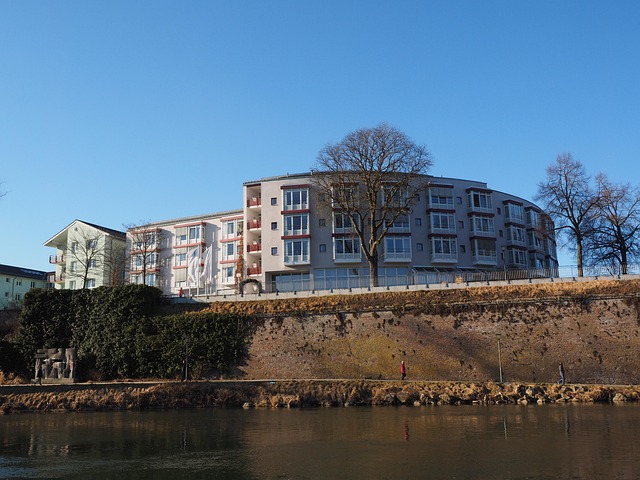
In today’s world, the concept of accessibility extends far beyond mere physical adjustments. Empowering independence through inclusive spaces is a transformative approach that significantly enhances the daily comfort and quality of life for individuals with diverse abilities. Real Estate naturally plays a pivotal role in this context, as the design and development of spaces can either facilitate or hinder accessibility. Experts argue that creating inclusive environments is not merely a moral imperative but also a strategic investment that broadens the appeal and functionality of any property.
Consider the impact of wheelchair accessibility in public spaces. According to a global study, only about 17% of urban areas meet the basic needs of people with mobility challenges. This statistic underscores the urgent need for developers and architects to integrate universal design principles from the outset. For instance, employing features like ramps instead of stairs, wider doorways, and flat entry points not only ensures ease of access for wheelchairs but also accommodates strollers, shopping carts, and elderly residents. Such inclusive design choices not only foster independence but also promote a sense of community and belonging.
Beyond physical adjustments, real estate professionals can empower independence through innovative technology integrations. Smart homes, for example, offer voice-controlled lighting, temperature, and security systems, which can be highly beneficial for individuals with visual or motor impairments. Moreover, the integration of sensor-based technologies can detect and alert users to potential hazards, such as leaks or smoke, enabling prompt action. As the global smart home market is projected to reach $185.5 billion by 2025, it’s clear that these technologies are becoming increasingly accessible and affordable. Real estate developers who incorporate such features not only enhance property value but also contribute to a more inclusive society.