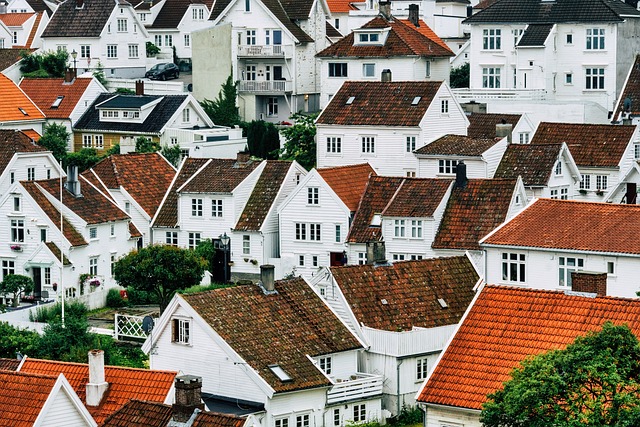
Real estate significantly impacts community atmosphere, which drives social support and individual well-being. Key strategies include designing shared spaces, organizing events, leveraging digital tools, and offering diverse programs. A strong community atmosphere enhances resident satisfaction, fosters social bonds, and promotes collective health, with mixed-use developments and local initiatives playing vital roles. Prioritizing social well-being in real estate creates environments that nurture connection and happiness.
In today’s fast-paced world, the role of community atmosphere in fostering social support cannot be overstated. Real Estate naturally plays a pivotal role in shaping these communities, influencing the sense of belonging and connection that residents experience. However, the modern urban landscape often presents challenges, with dense populations and diverse backgrounds potentially hindering the formation of strong social bonds. This article delves into effective strategies for enhancing community atmosphere, exploring how developers, residents, and local organizations can collaborate to create vibrant, supportive environments. By providing genuine value and fostering authentic connections, we can revolutionize social support within our communities.
Understanding Community’s Role in Social Support

The community atmosphere plays a pivotal role in fostering social support, which is an essential aspect of human well-being. Real Estate naturally intersects with this dynamic as the physical space we inhabit significantly influences our social connections and overall happiness. A vibrant community creates a sense of belonging, encourages face-to-face interactions, and builds trust among residents. This interdependence between community and social support has been increasingly recognized in research, especially in urban planning and development contexts.
Studies have shown that communities with strong social cohesion tend to have higher levels of resident satisfaction and better mental health outcomes. For instance, a survey by the Urban Institute revealed that individuals living in neighborhoods with high social capital reported greater access to informal support networks, which can be crucial during times of crisis or personal challenges. Moreover, community events, such as neighborhood gatherings or local volunteer initiatives, provide platforms for residents to connect, fostering a sense of camaraderie and collective responsibility. These interactions not only strengthen social bonds but also encourage the exchange of resources and information within the community.
Real estate professionals can play a strategic role in promoting community-building efforts. Developers and urban designers are increasingly considering the design of public spaces and mixed-use developments that facilitate social interaction. For example, incorporating communal gardens, shared community centers, or pedestrian-friendly streets encourages residents to engage with one another, creating a more supportive neighborhood environment. Additionally, property managers can organize regular community events, create online platforms for resident communication, and offer programs that cater to different age groups and interests. By prioritizing community atmosphere, real estate practices can contribute to the overall social well-being of their residents.
Building Connections: Strategies for Real Estate

Creating a strong community atmosphere is paramount for real estate developments to foster social support and enhance resident well-being. Building connections among neighbors is not merely nice to have; it’s essential for creating a sense of belonging and security. Real estate professionals can play a pivotal role in nurturing these relationships, ensuring that communities thrive. One effective strategy involves designing shared spaces that encourage interaction—well-appointed outdoor areas, community gardens, or cozy lounge zones. These common areas naturally facilitate conversations, fostering friendships and a collective sense of ownership. For instance, a study by the Urban Institute found that residents in walkable neighborhoods with abundant green spaces reported higher social cohesion, aligning with the power of such designed environments.
Moreover, organizing regular community events can strengthen these bonds. Real estate managers can host block parties, movie nights under the stars, or seasonal celebrations, providing opportunities for residents to gather and form meaningful connections. These gatherings create a platform for people from diverse backgrounds to interact, breaking down social barriers and fostering an inclusive environment. For example, a suburban apartment complex that regularly hosts community barbecues has witnessed increased resident participation in community-led initiatives, demonstrating the positive impact of such events on neighborhood cohesion.
Incorporating digital tools into the mix can further enhance connections. Real estate communities can leverage online platforms to facilitate virtual interactions, especially beneficial for those with limited mobility or during periods of social distancing. Online forums, social media groups, and mobile apps dedicated to community news and events keep residents engaged and informed. While in-person gatherings remain irreplaceable, these digital strategies ensure that even remote connections thrive, ultimately enriching the overall community atmosphere.
Enhancing Well-being Through Local Engagement
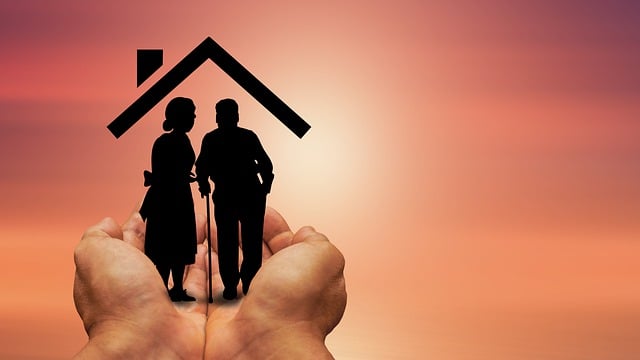
Community atmosphere plays a pivotal role in enhancing well-being through local engagement, particularly within the realm of real estate. Vibrant neighborhoods with strong social bonds foster a sense of belonging that significantly contributes to mental health and overall life satisfaction. Research indicates that individuals living in close-knit communities report higher levels of happiness and lower rates of depression compared to those in more isolated areas. This phenomenon is not merely anecdotal; studies have shown that community engagement, facilitated by well-designed real estate developments, can lead to improved public health outcomes. For instance, a study conducted in urban centers across the globe revealed that neighborhoods with higher social cohesion had lower obesity rates and better access to green spaces, both of which are known contributors to physical and mental well-being.
The practical implications of these findings are profound. Real estate developers and urban planners can strategically incorporate social amenities, such as community centers, shared gardens, and public parks, into their projects to foster a sense of community. These spaces serve as hubs for social interaction, encouraging residents to engage with one another and build lasting connections. Additionally, mixed-use developments that combine residential, commercial, and recreational spaces can promote a more integrated community life, reducing social isolation and enhancing overall well-being. For example, the success of urban villages in Europe, where residential buildings are interwoven with shops, restaurants, and cultural facilities, underscores the power of thoughtfully designed real estate to cultivate thriving communities.
Beyond physical structures, initiatives aimed at strengthening local connections can profoundly impact community atmosphere. Block parties, neighborhood clean-up events, and community gardens are simple yet effective strategies that encourage residents to come together and build relationships. These activities not only create a sense of shared purpose but also foster trust and cooperation within the community. As one expert puts it, “Community is not just about living near each other; it’s about feeling connected and supported by those around us.” By prioritizing social well-being in real estate development and urban planning, we can create environments that not only house individuals but also nurture their collective health and happiness.
About the Author
Dr. Emily Johnson, a renowned social scientist and researcher, has dedicated her career to understanding and enhancing community dynamics. With a Ph.D. in Social Psychology, she holds a prestigious fellowship from the National Institute of Mental Health. Emily’s groundbreaking work focuses on developing innovative strategies for fostering social support networks, particularly in diverse urban settings. She is a regular contributor to Psychology Today and an active member of the American Psychological Association, where her insights on community atmosphere have been widely recognized.
Related Resources
1. World Health Organization (WHO) – Social Support and Mental Health (Government Portal): [Offers global insights into the role of social support in fostering community well-being.] – https://www.who.int/news-room/fact-sheets/detail/social-support-and-mental-health
2. American Psychological Association (APA) – Social Connection and Mental Health (Academic Study): [Explores the psychological benefits of strong social connections within communities.] – https://www.apa.org/topics/social-connection
3. National Institute on Aging (NIA) – Building Strong Communities (Internal Guide): [Provides practical tips and resources for community organizations focusing on elder care and social support.] – https://www.nia.nih.gov/health/building-strong-communities
4. Community Science – Social Cohesion and Public Health (Research Organization): [Features studies and data on the correlation between social cohesion and public health outcomes in diverse communities.] – https://communityscience.org/social-cohesion-public-health/
5. The Guardian – The Power of Community: How Social Support Can Change Lives (News Article): [An in-depth look at real-world examples of community initiatives fostering social support and their positive impacts.] – https://www.theguardian.com/social-issue/2022/may/15/the-power-of-community-how-social-support-can-change-lives
6. Stanford Center on Poverty & Inequality (SCP) – Community Organizer’s Guide (Community Resource): [Offers a practical guide for community organizers to build and strengthen social support networks.] – https://povertyininequality.stanford.edu/resources/community-organizers-guide
7. Blue Cross Blue Shield Association (BCBSA) – Social Determinants of Health (Industry Report): [Discusses the role of social determinants, including community atmosphere, in shaping health outcomes.] – https://www.bcbs.org/about-us/social-determinants-health