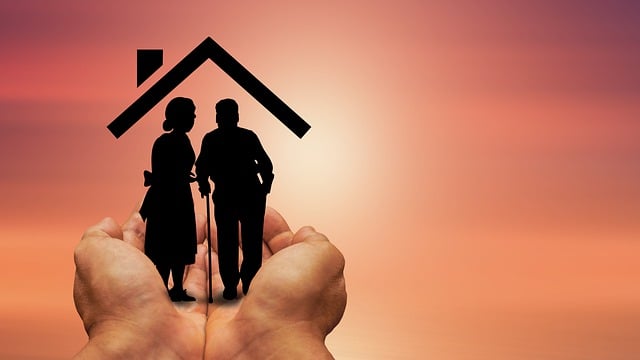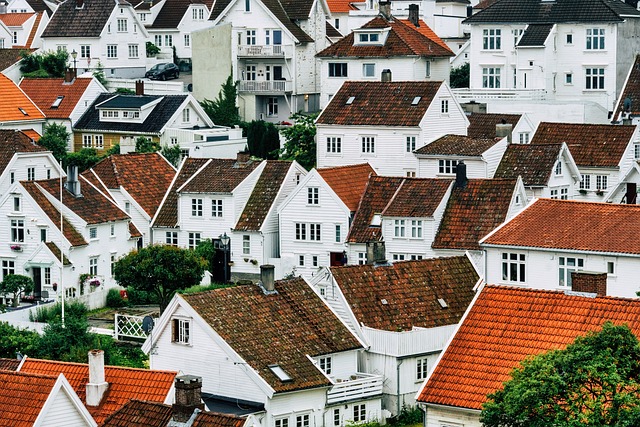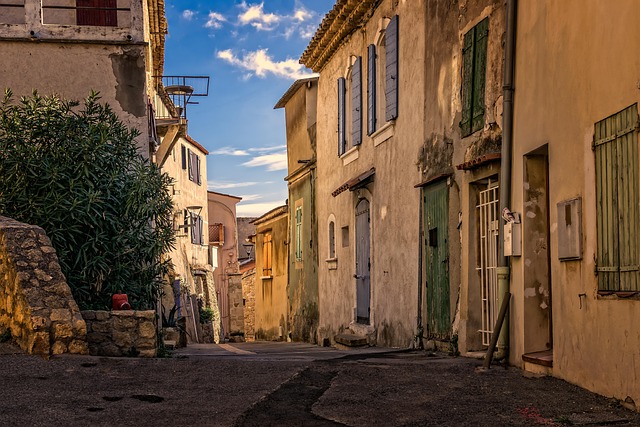
Real Estate naturally fosters community through physical spaces, enhancing social support and well-being. Strategic initiatives like designed common areas, events, and programs strengthen community bonding. Combining physical spaces with digital tools creates dynamic, connected neighborhoods. Prioritizing community engagement in design and management, inclusive spaces, and regular events sustains strong social connections, fostering intergenerational support and a sense of belonging.
In today’s fast-paced world, the role of community atmosphere in fostering social support cannot be overstated. Real estate, as a fundamental aspect of our daily lives, has the potential to either enhance or impede community connections. The problem lies in the increasing segregation and anonymity within urban environments, where dense populations often lack the intimate, supportive neighborhoods of yesteryear. However, strategic design and thoughtful development can transform this landscape. This article delves into the power of community-focused real estate initiatives, exploring how they cultivate social support networks, foster a sense of belonging, and ultimately contribute to healthier, more vibrant urban environments.
Building Blocks: Crafting a Community Bond in Real Estate
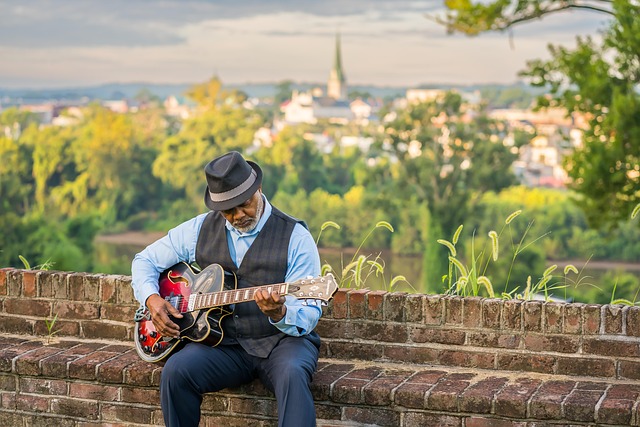
Community atmosphere plays a pivotal role in fostering social support within real estate developments. Building strong community bonds is not merely an added amenity but a fundamental aspect of creating sustainable, thriving neighborhoods. The intricate web of connections among residents forms a support system that enhances overall well-being and contributes to a sense of belonging. This interconnectedness can be cultivated through strategic initiatives tailored to the unique dynamics of each real estate project.
Real estate naturally lends itself to fostering community as it provides a physical space where individuals gather, interact, and share experiences. Developers and property managers can leverage this by designing common areas that encourage interaction—from cozy cafes and communal gardens to vibrant event spaces. These shared spaces become the building blocks for community bonding, fostering informal connections and organically forming neighborhood networks. For instance, regular community events such as block parties, farmers’ markets, or cultural festivals create opportunities for residents to mingle, fostering a sense of camaraderie.
An expert approach to community building involves understanding the diverse needs and interests of residents. This may include organizing specialized programs for different age groups, such as senior social clubs or youth activity groups, ensuring everyone feels included. Additionally, utilizing technology can enhance these efforts; online platforms facilitate resident communication and event organization, while also allowing for the sharing of local resources and support networks. By combining physical spaces with digital tools, real estate communities can thrive, offering a supportive environment where connections deepen and social support becomes an inherent part of daily life.
Strategies: Enhancing Social Support Through Engagement

Building a strong community atmosphere is a game-changer in fostering social support within any residential setting, particularly in Real Estate. Engagement strategies play a pivotal role in creating an environment where residents connect, support each other, and form lasting bonds. One effective approach is organizing regular community events that encourage interaction. For instance, a monthly neighborhood potluck dinner can bring people together, fostering a sense of belonging and providing an opportunity to share cultural dishes and stories. Such events create a platform for residents to bond over shared interests, breaking down social barriers and fostering a supportive network.
Moreover, establishing dedicated community spaces can significantly enhance social support. These spaces, such as a cozy community garden or a well-equipped community center, serve as hubs for various activities. For example, a community garden can bring together residents with a shared passion for horticulture, while a center with a library, gaming area, and workshop facilities caters to diverse interests. These spaces not only encourage engagement but also create a natural setting for friendships to blossom and support networks to form. Research suggests that individuals who have access to such community resources are more likely to report higher levels of social connectedness and well-being.
Actionable advice for Real Estate developers and managers is to prioritize community engagement in the design and management of residential properties. This can include implementing a resident ambassador program, where enthusiastic residents act as hosts for new arrivals, helping them integrate. Additionally, utilizing digital platforms to facilitate communication and organize events can further enhance engagement. For instance, a dedicated community app can connect residents, share updates, and foster discussions, ensuring that everyone feels included and supported. By combining physical spaces with digital tools, Real Estate communities can thrive, offering residents a sense of belonging and a strong support system.
Sustaining Connections: Long-Term Social Fabric in Communities

Communities are more than just geographical locations; they are vibrant networks of individuals bound together by shared spaces and experiences. In the realm of social support, fostering a robust community atmosphere is akin to nurturing a garden—it requires consistent care and attention to bear fruit. One of the most enduring aspects of community life is the strength of these connections, which, over time, weave an intricate social fabric that transcends mere proximity. This long-term investment in interpersonal relationships forms the backbone of resilient communities where residents not only know each other but also have deep, meaningful ties.
Real Estate plays a pivotal role in cultivating these connections as it provides the physical framework for community interactions. Well-designed neighborhoods with mixed land uses encourage diverse social engagement—from local cafes and parks to shared green spaces and community centers. Research indicates that walkable communities with access to amenities within a 10-minute radius foster stronger social cohesion, where residents are more likely to form lasting bonds. For instance, a study in the United States revealed that neighborhoods with higher walkability scores had significantly higher levels of neighborhood social engagement, leading to stronger community ties and improved mental well-being among residents.
To sustain these connections over time, community leaders and developers must prioritize inclusive spaces that cater to various age groups and interests. Organizing regular community events, such as block parties, farmers’ markets, or cultural festivals, creates opportunities for residents to gather, interact, and build friendships. Encouraging mixed-income housing and diverse social initiatives can break down barriers and foster an environment where everyone feels welcome and valued. By investing in these long-term relationships, communities become more resilient, with higher rates of intergenerational support and a collective sense of belonging that transcends Real Estate boundaries.