The aging global population is reshaping the real estate market with a growing demand for specialized senior living spaces, including retirement communities and accessible housing. Developers respond by integrating age-friendly features, technology, and sustainable design to cater to active aging, enhance quality of life, and promote inclusive communities tailored to seniors' needs.
As the global population ages, the demand for tailored housing and lifestyle solutions is on the rise. This shift demographic presents a significant opportunity for the real estate industry, driving trends in senior living spaces and sustainable communities designed to cater to the unique needs of elderly residents. With an aging population, understanding these changes is crucial for investors, developers, and policymakers alike to meet this evolving market demand effectively.
Aging Population's Impact on Housing Market
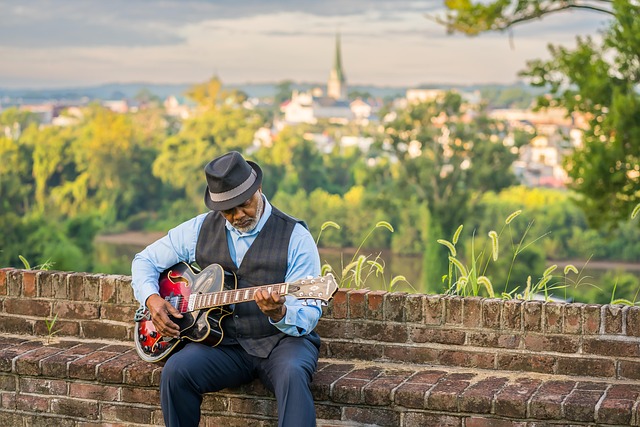
As the population ages, the real estate market is experiencing a significant shift. With an increasing number of older adults seeking suitable housing options, the demand for specific types of properties has risen. This trend has led to a focus on retirement communities and assisted living facilities, as well as the renovation and adaptation of existing homes to cater to the needs of seniors.
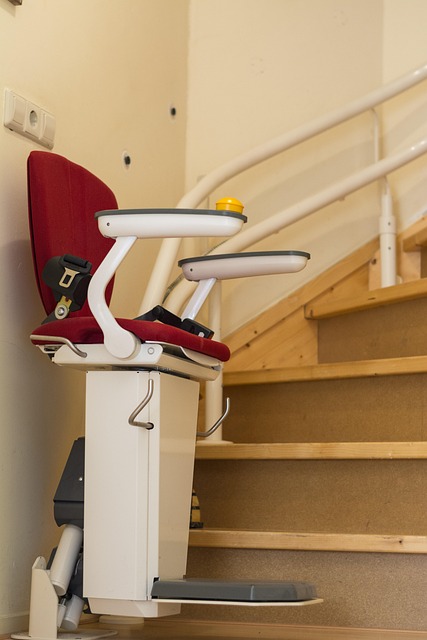
The aging population’s impact extends beyond simply changing the types of properties in demand. It also influences the design and layout preferences of potential homebuyers. Real estate developers and architects are now incorporating features such as wider doorways, grab bars, and easier-to-navigate floor plans into their designs to accommodate the physical changes that often come with aging. These adaptations not only make homes more accessible but also contribute to a growing trend towards age-friendly housing solutions.
Real Estate Trends: Senior Living Spaces

The real estate market is experiencing a significant shift as the population ages, leading to an increased demand for senior living spaces. This trend reflects a growing recognition of the unique housing needs and preferences of older adults. Developers and investors are now focusing on creating specialized communities that cater to active aging, offering not just accommodation but also enhanced amenities and services tailored to promote health, wellness, and social interaction.
These developments extend from independent living apartments with modern designs and accessibility features to assisted living facilities providing comprehensive support for those requiring help with daily tasks. The integration of technology in these spaces further enhances comfort and safety, allowing seniors to maintain their independence while enjoying the convenience of smart home systems and easy access to healthcare services. This trend is reshaping urban landscapes, fostering the creation of vibrant, inclusive communities where older adults can thrive.
Sustainable Communities for Elderly Residents
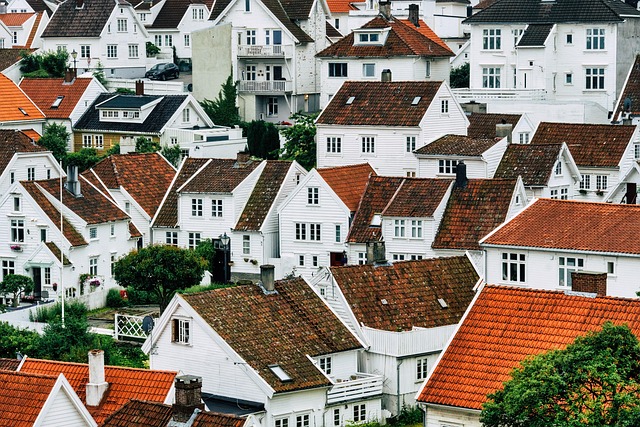
As populations around the world age, there’s a growing demand for sustainable communities designed specifically to cater to the needs of elderly residents. These communities prioritize accessibility, safety, and comfort, ensuring that seniors can maintain their independence while enjoying the support and company of like-minded individuals. Real estate developers are responding by creating senior-friendly neighborhoods with amenities such as easy-access housing, care facilities, community centers, and green spaces.
Sustainable communities for the elderly incorporate innovative design elements, like universal design features that facilitate movement and accessibility, and energy-efficient systems that reduce environmental impact and operational costs. These developments not only improve quality of life for seniors but also foster social connections, enhancing mental well-being. The integration of health and wellness programs, along with convenient access to essential services, ensures a holistic approach to aging in place.