The rapidly aging global population demands significant adjustments from real estate. Key strategies include designing age-friendly spaces with accessible layouts, safety features, and technology integration. Developers must innovate with mixed-use developments, assisted living facilities, and universal design principles to cater to seniors' needs. Collaboration with healthcare professionals and urban planners ensures tailored senior living options, fostering inclusive communities for an aging population.
As the global population ages, the demand for housing and living spaces that cater to senior needs is rapidly growing. This trend presents both a challenge and an opportunity, particularly within the real estate sector. The problem lies in the mismatch between the current urban landscape and the evolving requirements of an aging demographic. However, this shift also offers a chance to revolutionize the way we design and develop properties, creating inclusive, accessible, and supportive environments for seniors. By exploring innovative solutions, the real estate industry can play a pivotal role in shaping a future where our communities are equipped to accommodate and embrace their older residents.
Understanding the Demographic Shift: Population Aging

The global population is aging at an unprecedented rate, presenting significant challenges and opportunities for various sectors, particularly real estate. By 2050, it’s projected that people aged 65 and over will number over 1.5 billion worldwide, up from around 700 million today. This demographic shift is not merely a statistical trend; it reflects profound societal changes with far-reaching implications for urban planning, infrastructure development, and housing design.
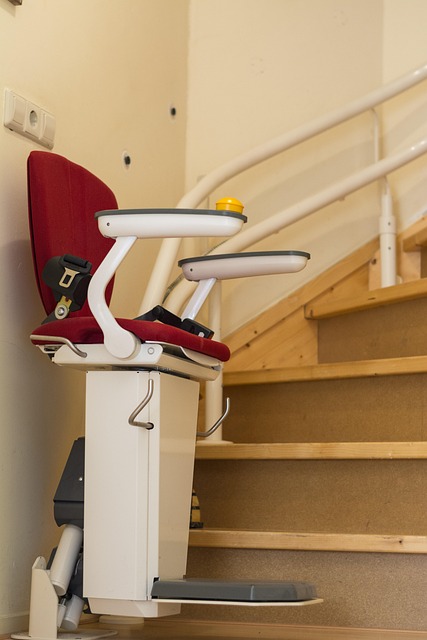
Understanding this aging population dynamic requires recognizing the evolving needs of older adults. As life expectancy rises, so does the demand for senior-friendly environments that cater to their unique requirements. Real estate naturally plays a pivotal role in shaping these landscapes. For instance, the concept of ‘age-friendly’ communities is gaining traction, emphasizing accessible public spaces, well-designed transportation systems, and housing options tailored to the needs of seniors. These adaptations include wider doorways, grab bars in bathrooms, and centralized locations for essential services, ensuring comfort, safety, and independence for an aging populace.
Moreover, the real estate sector must address the potential housing crisis that could arise from population aging. With a growing number of older individuals requiring specialized accommodations, there is a pressing need to develop innovative solutions. This might involve rethinking traditional housing models, encouraging mixed-use developments that seamlessly blend residential, commercial, and healthcare services, and promoting the adoption of assisted living facilities. By embracing these changes, real estate professionals can contribute to creating inclusive, sustainable communities tailored to the needs of a rapidly aging global population.
Real Estate's Role in Meeting Senior Living Needs

As the global population ages, the demand for senior living options is skyrocketing. This trend presents a significant challenge and an immense opportunity for the real estate industry to adapt and evolve. Real estate naturally plays a pivotal role in addressing the changing needs of seniors, as it offers the means to create tailored environments that enhance their quality of life. The market demands innovative solutions that cater to the unique requirements of an aging demographic, ensuring accessibility, comfort, and independence.
The senior living sector requires a multifaceted approach, and real estate developers are at the forefront of this transformation. Building design must incorporate age-friendly principles, featuring accessible layouts, robust safety measures, and well-designed common areas that encourage social interaction. For instance, developing multi-generational communities where older adults can live alongside younger families fosters intergenerational connections and provides a supportive network. Moreover, incorporating technology into real estate developments offers solutions like smart home systems, which can assist with daily tasks and monitor resident health.
To meet the growing demand effectively, developers should consider diverse options such as assisted living facilities, memory care communities, and independent living retirement villages. Each of these requires careful planning and consideration of local regulations and community needs. By understanding the specific requirements of seniors and collaborating with healthcare professionals, architects, and urban planners, real estate entities can create inclusive and sustainable senior living environments. This strategic approach will not only cater to the present demand but also ensure that future developments are equipped to handle an increasingly aging population.
Strategies for Adaptability and Future-Proofing Properties

As the global population ages, the demand for housing and real estate is undergoing a significant shift. This demographic trend presents both challenges and opportunities for the industry. Strategies for adaptability and future-proofing are essential to meet the evolving needs of an aging society. One key aspect is recognizing that traditional property preferences must evolve; older adults often seek more accessible, low-maintenance homes designed with their changing mobility requirements in mind. Real estate developers and agents can future-proof their offerings by incorporating universal design principles, such as wider doorways, improved lighting, and easier navigation, making properties more appealing to a broader market.
Data from the World Health Organization reveals that an aging population will increase the demand for health and social care services, influencing location decisions. Urban areas with better access to healthcare facilities and community resources are expected to gain popularity among older adults. Real estate naturally plays a pivotal role in this by offering tailored solutions like senior-friendly neighborhoods with proximity to medical centers, parks, and community hubs. Adaptability also extends to the digital realm; integrating smart home technology can enhance the lives of elderly residents, allowing them to age in place comfortably and securely.
Practical insights suggest that developers should collaborate with geriatric experts and care providers to understand the specific needs of this demographic. Customizing floor plans to accommodate mobility aids, installing emergency response systems, and ensuring adequate natural lighting are practical steps towards creating adaptable spaces. Moreover, promoting intergenerational living concepts can foster a sense of community among diverse age groups, offering both social interaction and cost savings for older adults. Ultimately, staying agile and responsive to these market dynamics will ensure the real estate sector’s longevity and relevance in an aging world.