Real estate naturally plays a pivotal role in cultivating strong social connections and vibrant communities. Key strategies include designing mixed-use developments, walkable neighborhoods with amenities, and shared public spaces to enhance social ties. Community events, accessible green spaces, and inclusive activities foster interactions across diverse groups. Real estate professionals can drive these interactions by prioritizing community engagement in property design and selection, ultimately strengthening societal well-being.
In today’s fast-paced world, the community atmosphere in Real Estate has become a critical aspect shaping residents’ overall well-being and satisfaction. The social support network within a neighborhood significantly impacts mental health, safety, and a sense of belonging. However, with urban sprawl and increasing isolation, many communities struggle to foster meaningful connections. This article delves into the strategies that Real Estate developers and residents can adopt to cultivate a vibrant community atmosphere, enhancing social support and creating thriving, interconnected neighborhoods. By exploring effective practices, we aim to equip readers with insights to transform their living spaces into supportive, engaging environments.
Building Social Connections: The Foundation of Community
Building social connections is the cornerstone of fostering a strong community atmosphere and providing social support. In the realm of real estate, this translates into creating environments that encourage interaction and cultivate a sense of belonging. Successful communities naturally attract residents who share common interests, values, and goals, forming the foundation for robust social networks. For instance, mixed-use developments that combine residential, commercial, and recreational spaces have been shown to enhance social cohesion, as residents engage in various activities and interactions within their immediate surroundings.
Expert studies have highlighted the positive impact of well-designed real estate on social connections. According to a 2020 survey by the Urban Institute, residents in walkable neighborhoods with access to community amenities reported higher levels of social support and stronger community ties. This suggests that developers and urban planners can significantly influence the social fabric of a community by incorporating inclusive spaces, such as community gardens, shared courtyards, and public parks. These shared spaces encourage residents to gather, interact, and form meaningful relationships, thereby strengthening the social support system within the community.
Practical insights from successful communities emphasize the importance of accessible and diverse social hubs. For example, hosting regular community events, such as block parties, farmers’ markets, or cultural festivals, provides opportunities for residents to connect and celebrate together. Additionally, establishing community centers or libraries that serve as central meeting places can facilitate social interactions across different age groups and backgrounds. Real estate professionals can play a pivotal role in promoting these connections by designing or selecting properties that prioritize community engagement, ensuring that residents have ample opportunities to build meaningful relationships and create a supportive social atmosphere.
Real Estate as a Catalyst for Neighborly Relationships
Real estate isn’t just about property; it’s about people—the hearts and souls that make up vibrant communities. When well-planned and managed, real estate can serve as a catalyst for neighborly relationships, fostering social support networks that enrich lives and strengthen communities. Consider a housing development where shared spaces, like community gardens or gathering areas, encourage interaction. These spaces become natural meeting points, allowing residents to connect beyond mere neighbors, forming bonds built on mutual interest and respect.
For instance, research has shown that walkable neighborhoods with mixed-use developments tend to have higher social cohesion. A mix of residential, commercial, and recreational spaces encourages diverse interactions—from casual greetings to collaborative projects. This dynamic is particularly evident in urban areas where dense real estate development fosters a bustling atmosphere. Residents are more likely to engage with their community when amenities and services are within easy reach, creating opportunities for serendipitous encounters that can evolve into lasting friendships.
Real estate professionals play a pivotal role in cultivating these communities. Developers who incorporate social spaces and design principles that encourage interaction can significantly impact the overall well-being of residents. Likewise, real estate agents can facilitate connections by organizing neighborhood events or using their platforms to promote community initiatives. By fostering a sense of belonging, real estate becomes more than a transaction; it becomes an investment in the social capital that makes communities thrive. Ultimately, prioritizing community atmosphere in real estate development and management is not just beneficial for individuals—it strengthens the collective fabric of society.
Fostering Inclusivity: Expanding Social Support Networks
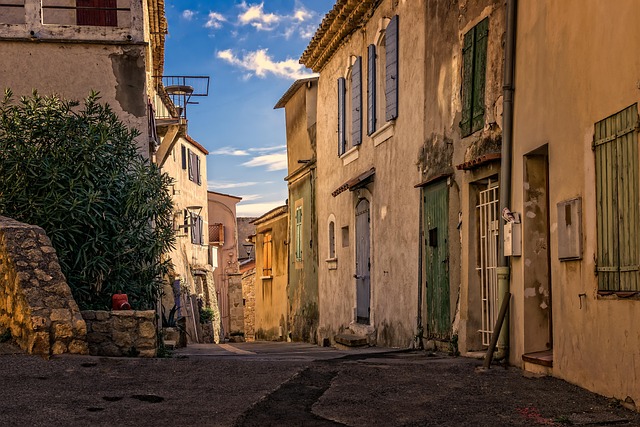
Creating an inclusive community atmosphere is paramount in fostering social support, especially within urban settings where diverse populations coexist. Real Estate plays a pivotal role in this context, as the design and management of spaces significantly influence social connections and the overall well-being of residents. By intentionally creating environments that encourage interaction and belonging, communities can build robust social support networks.
One effective strategy is to develop mixed-use spaces that cater to various age groups, interests, and cultural backgrounds. For instance, community centers with multi-purpose rooms can host senior game nights, youth art workshops, and intergenerational cooking classes. These shared experiences naturally foster connections and create a sense of community. Moreover, integrating green spaces and parks within residential areas encourages residents to gather, socialize, and build relationships, enhancing the overall social fabric of the neighborhood.
Incorporating accessibility and universal design principles is another key aspect. Ensure that public areas and amenities are welcoming and usable by all, regardless of physical abilities. This inclusive approach encourages people from diverse walks of life to engage and support one another. For example, wheelchair-accessible pathways and ramps facilitate social interactions between able-bodied residents and those with disabilities, breaking down barriers and fostering empathy.
Community events and organized activities are powerful tools to bring people together. Local real estate developers and community leaders can collaborate to host regular gatherings, cultural festivals, and neighborhood clean-up drives. These initiatives not only beautify the area but also create opportunities for residents to connect, form meaningful relationships, and build a sense of collective responsibility. By actively involving community members in decision-making processes, such as planning and organizing these events, a deeper sense of ownership and investment in the community’s social well-being is fostered.