As the population ages, real estate professionals must prioritize accessible, age-friendly design. Key elements include physical modifications for ease of use, universal design principles, and outdoor spaces promoting social engagement. Developers and urban planners should create communities that foster independence, social connections, and mental well-being. Integrating technology and common areas like community gardens enhances engagement, and leveraging real estate naturally prepares communities for a tech-driven future.
As our population ages, catering to the unique needs of senior citizens becomes increasingly vital. The demand for inclusive and accessible living spaces is rising, yet the real estate sector often fails to keep pace with these requirements. This article delves into the challenges and presents a comprehensive strategy for developers and urban planners to create environments that enhance the quality of life for aging residents. We explore innovative solutions, from adaptable home design to community-focused amenities, to ensure that real estate naturally embraces the needs of this demographic, fostering independent and fulfilling lives.
Understanding Aging Residents' Real Estate Needs

As the population ages, understanding the unique real estate needs of this demographic is crucial for developers, urban planners, and policymakers. Aging residents have distinct preferences and requirements that must be addressed to ensure their well-being and satisfaction. One of the key aspects to consider is the concept of accessible and age-friendly housing. This involves designing homes that cater to mobility issues, offering features such as no-step entries, wider doorways, and grab bars in bathrooms. For instance, a study by the National Association of Home Builders (NAHB) revealed that 80% of homeowners aged 55 and over prefer to stay in their homes as they age, emphasizing the need for adaptable and accessible real estate solutions.
Another critical factor is the location of these properties. Aging residents often seek neighborhoods with easy access to essential services, healthcare facilities, and social amenities. Close proximity to grocery stores, pharmacies, and public transportation can significantly impact their quality of life. For example, a survey by AARP found that 70% of older adults prioritize living in areas with good public transportation, highlighting the natural alignment between their needs and real estate development. Moreover, incorporating community spaces that encourage social interaction can foster a sense of belonging and combat loneliness, a common concern among the aging population.
Real estate professionals play a vital role in catering to these needs by staying informed about the latest research and trends in aging-friendly design. They should collaborate with architects and urban planners to create inclusive communities. Offering personalized housing options, such as assisted living arrangements or modified homes, can ensure that aging residents maintain their independence while receiving the necessary support. By embracing these strategies, the real estate industry can contribute to building a more inclusive and fulfilling environment for its oldest citizens.
Designing Spaces for Comfort and Accessibility

As the population ages, real estate developers and urban planners are increasingly recognizing the importance of designing spaces that cater to the unique needs of older adults. Comfort and accessibility are paramount when creating environments where aging residents can maintain their independence and quality of life. This involves not just physical modifications but also a deep understanding of the changing requirements of this demographic. For instance, wide hallways and lever-style door handles can significantly ease mobility for those with reduced strength or balance issues.
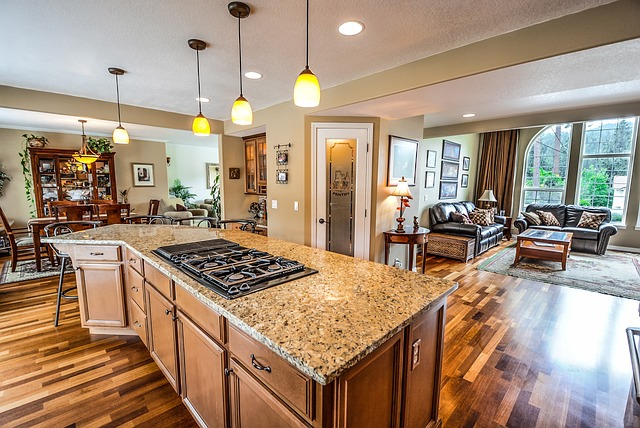
One practical insight is the integration of universal design principles. This approach considers the diverse abilities and needs of individuals, regardless of age or disability. In residential settings, this might translate to homes with no-step entries, roll-under stoves, and adjustable lighting. Such features not only accommodate aging residents but also appeal to a broader range of buyers and renters, including young families and individuals with disabilities. For example, the U.S. Department of Housing and Urban Development (HUD) reports that universal design elements can increase home resale value, making them a smart investment for real estate professionals.
Furthermore, creating accessible outdoor spaces is vital for fostering social engagement and physical well-being. Walkways that are wide and clear of obstructions, as well as well-designed landscaping, ensure ease of navigation for those using mobility aids. Consider community gardens or sitting areas that encourage social interaction and a sense of belonging. These features not only enhance the overall livability of a property but also contribute to the mental health and overall happiness of aging residents, creating vibrant environments that cater to their specific needs.
Building Communities: Social Engagement Strategies

Creating vibrant communities that cater to aging residents’ needs is not just a social responsibility; it’s a strategic imperative for real estate developers and urban planners. As the population ages, ensuring social engagement and well-being becomes paramount. Housing designs and community strategies must evolve to meet these unique requirements, fostering an environment where seniors can maintain their independence while enjoying meaningful connections.
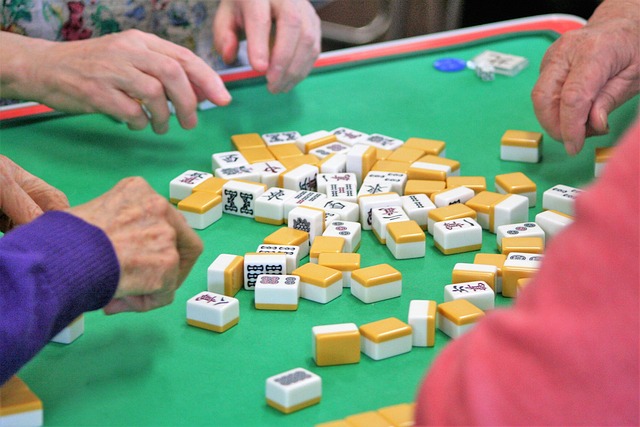
One of the key aspects is developing social engagement strategies that cultivate a sense of belonging. This can be achieved through thoughtfully designed common areas, such as vibrant community gardens or social clubs, which encourage interaction and build social ties. For instance, a study by the National Institute on Aging found that community participation among older adults significantly enhances mental health and reduces feelings of isolation. Real estate projects should incorporate these spaces naturally, promoting organic social gatherings and fostering a sense of community.
Moreover, leveraging technology can bridge generational gaps and facilitate connections. Implementing digital engagement platforms or hosting virtual events allows for ongoing interaction and accessibility. For example, senior-focused real estate developments in urban areas have successfully organized online book clubs, fitness classes, and even virtual travel experiences, ensuring residents stay connected and engaged despite physical distances. This approach not only caters to aging residents’ social needs but also prepares communities for a future where technology plays an increasingly vital role in people’s lives.