The rapidly aging global population presents a significant challenge and opportunity for real estate, with WHO projecting 2.1 billion people aged 60+ by 2050. Senior citizens require accessible, community-oriented housing with age-friendly features. Developers must design inclusive communities integrating healthcare, technology, and intergenerational connections to meet this demand. Investors can capitalize on this trend by targeting high-aging markets and investing in senior living facilities or modified homes. Strategic planning, market research, and partnerships are essential tools for capturing lucrative opportunities in the growing senior housing market.
As the global population ages, the demand for suitable housing and care solutions is growing at an unprecedented rate. This demographic shift presents a significant challenge for urban planners and real estate professionals alike. The need for specialized housing that caters to the unique requirements of elderly individuals is more pressing than ever.
The problem lies in the mismatch between traditional real estate offerings and the evolving needs of this sector. However, innovative design approaches and a deep understanding of geriatric care can offer solutions tailored to promote independence, enhance quality of life, and address the specific challenges of an aging population. By exploring these strategies, we aim to provide valuable insights into shaping the future of senior living.
Understanding the Demographic Shift: Population Aging

As global populations age, the demand for tailored services and infrastructure increases, presenting a significant challenge and opportunity, particularly within the real estate sector. Understanding this demographic shift is crucial for developers, investors, and urban planners to anticipate future needs and shape sustainable communities. The aging population, defined as individuals 65 years and older, represents a growing segment of many nations’ total population. According to the World Health Organization (WHO), by 2050, the number of people aged 60 or over is projected to reach 2.1 billion globally, highlighting an unprecedented demographic transformation.
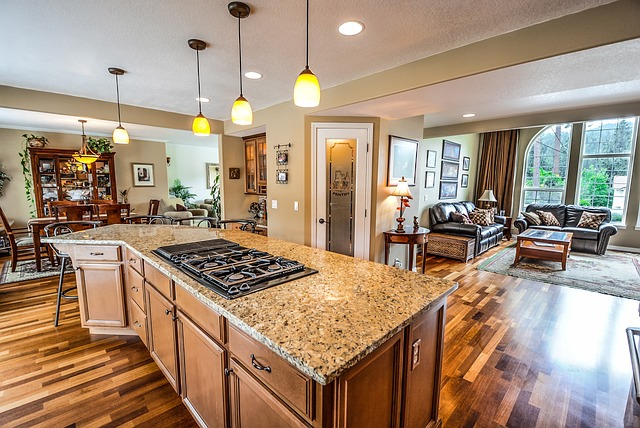
This trend has profound implications for real estate. Senior citizens have distinct housing preferences and requirements compared to younger demographics. They often seek smaller, more manageable homes located in safe, accessible, and community-oriented areas. This shift necessitates developers to design and construct properties that cater to the needs of an aging population, including features like wider doorways, easier-to-navigate layouts, and well-equipped bathrooms for those with mobility issues. Adaptive design and age-friendly architecture are becoming essential considerations in urban development. For instance, Japan, with one of the world’s oldest populations, has implemented various policies to accommodate its seniors, such as building elevated homes that avoid flooding and constructing multi-generational housing complexes fostering social interaction.
Real estate investors can capitalize on this trend by identifying markets with a high concentration of aging residents and investing in properties tailored to their needs. These could include senior living facilities, assisted-living communities, or modified homes suitable for those requiring increased care. By recognizing the demographic shift and adapting strategies accordingly, real estate professionals can ensure they remain relevant and contribute to building inclusive, vibrant cities that cater to all generations.
Real Estate's Role in Catering to Elderly Needs

As populations around the world age, the demand for senior-focused housing and care solutions is rapidly growing. This trend presents a significant challenge and opportunity for the real estate industry, which is increasingly recognizing its vital role in catering to the unique needs of the elderly. Traditional housing models often fall short in addressing the complex requirements of an aging demographic, leading to a gap in the market that real estate professionals are well-positioned to fill.
Real estate’s inherent ability to adapt and evolve makes it a natural fit for addressing the changing landscape of senior living. The industry is witnessing a shift towards creating inclusive, accessible, and supportive communities tailored to older adults’ needs. This involves not just designing physical spaces but also implementing services and amenities that promote independence, social interaction, and healthcare accessibility. For instance, developers are incorporating features like wider corridors, grab bars in bathrooms, and easy-to-navigate layouts in their projects to cater to the physical needs of seniors while also installing smart home technology for enhanced safety and convenience.
Expert insights suggest that successful real estate ventures in this sector involve close collaboration with healthcare providers, architects, urban planners, and community organizations. By integrating specialized services like on-site medical clinics, meal delivery programs, and transportation options, developers can create holistic senior living environments. Data from the World Health Organization (WHO) highlights the growing need for such initiatives, projecting that by 2050, over 2 billion people worldwide will be aged 60 or over, emphasizing the urgency of well-planned, elderly-centric real estate developments. To stay ahead of this trend, developers should focus on fostering intergenerational connections and promoting active lifestyles within their communities, ensuring that aging becomes a positive, enriching experience.
Strategies for Adapting to the Changing Market Demands

As global populations age, a significant shift in market demands is occurring, particularly within healthcare, technology, and real estate sectors. This demographic change presents unique challenges and opportunities for businesses worldwide. The aging population’s increased demand for specialized services and living accommodations necessitates strategic adaptations from industry leaders, especially in the realm of real estate. Developers and investors are now tasked with creating innovative solutions to cater to this evolving customer base.
Real estate naturally plays a pivotal role in meeting the needs of an aging society. For instance, the trend towards age-friendly housing designs is gaining traction, emphasizing accessibility, safety, and comfort for elderly residents. This shift requires developers to incorporate features such as wider doorways, grab bars, and smart home technologies into their projects. Moreover, the demand for assisted living facilities and retirement communities is projected to rise sharply, offering lucrative opportunities for real estate investors. According to a recent study, the global senior housing market is expected to grow at a CAGR of 4.6% from 2022 to 2030, highlighting the immense potential in this sector.
Strategic planning and market research are essential tools for professionals navigating these changes. Developers should analyze demographic trends, identify emerging needs, and adapt their portfolio strategies accordingly. For example, creating mixed-use developments that combine residential spaces with retail and healthcare facilities can cater to the diverse requirements of aging communities. Additionally, partnering with healthcare providers to incorporate medical services within real estate projects ensures a comprehensive approach to meeting the needs of this demographic. By embracing these adaptations, industry leaders can position themselves as innovative solutions providers in a rapidly changing market.