Real Estate professionals play a crucial role in community development, impacting social support and human well-being. Key strategies include creating accessible public spaces, mixed-use developments, and inclusive amenities. Intentional design focusing on diverse demographics, mixed-use functionalities, and pedestrian infrastructure enhances neighborhood resilience and property values. Welcoming environments, community-centric design, resident participation, and inclusivity foster higher satisfaction and stronger communities. Mixed-use spaces, organized activities, and revitalized common areas promote social cohesion, with active participation leading to reduced vacancy. Transforming underutilized spaces and implementing neighbor support programs strengthen existing neighborhoods.
In today’s fast-paced world, the role of community atmosphere in fostering social support cannot be overstated. Real estate naturally plays a pivotal role in shaping these communities, where neighbors become more than just faces and homes are transformed into hubs of connection. However, the modern urban landscape often presents challenges to cultivating meaningful relationships, leading to a sense of isolation despite being surrounded by strangers. This article delves into the intricate web of factors that contribute to community atmosphere and explores innovative strategies in real estate development aimed at enhancing social connections, offering genuine solutions to foster a supportive neighborhood environment.
Understanding Community's Role in Social Support
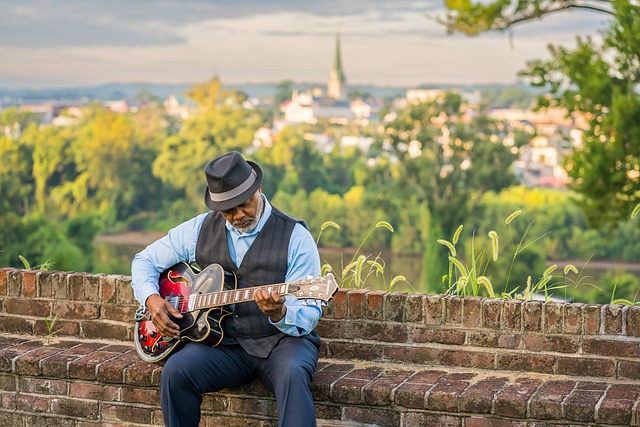
The role of community in providing social support is a fundamental aspect of human well-being, often overlooked yet profoundly impactful. Real Estate, as a discipline, not only shapes physical spaces but also plays a pivotal role in cultivating vibrant communities—the bedrock of social support networks. A thriving community fosters connections, enhances quality of life, and contributes to overall public health. According to a study by the National Community Health Center (NCHC), individuals living in close-knit communities with strong social ties experience lower rates of depression, improved physical health, and increased longevity.
Community atmospheres are cultivated through various elements, including accessible public spaces, mixed-use developments, and inclusive amenities. For instance, a well-designed neighborhood park not only provides recreational opportunities but also serves as a communal hub where residents gather, interact, and build relationships. Similarly, mixed-income housing projects, popular in urban Real Estate, encourage social integration and foster a sense of belonging among diverse groups. These community spaces facilitate social interactions, enabling residents to form support networks that can be crucial during times of crisis or personal challenges.
Experts emphasize the importance of intentional design in creating such environments. Architects and Urban Planners must consider the needs of various demographic groups, promote mixed-use functionalities, and prioritize pedestrian-friendly infrastructure. By understanding the intricate relationship between community and social support, Real Estate professionals can contribute to building healthier, more resilient neighborhoods. This approach not only enhances property values but also prioritizes the well-being of residents, creating a positive feedback loop where thriving communities attract and retain diverse, supportive populations.
Building Blocks: Creating a Welcoming Environment

Creating a welcoming environment is a cornerstone of building a strong community atmosphere that fosters social support. In real estate naturally, the design and management of spaces significantly influence how residents interact and connect with one another. Research shows that social connections are vital for mental health and overall well-being, making communities with robust social fabric highly desirable. For instance, a study by the National Institute of Mental Health highlights that social support acts as a buffer against stress, depression, and anxiety—all prevalent issues in modern living.
The building blocks of a welcoming environment include open and accessible spaces that encourage interaction, such as communal gardens, parks, or cozy gathering areas within apartment complexes. These spaces should be designed to promote diverse social activities, from quiet reading corners to vibrant community events. For example, a well-maintained community garden not only provides residents with a peaceful retreat but also offers opportunities for collaboration through gardening workshops or shared harvest celebrations. Similarly, organized social events like movie nights, book clubs, and cultural festivals can foster a sense of belonging and encourage residents to form meaningful connections.
Real estate professionals play a pivotal role in cultivating these environments. They can achieve this by incorporating community-centric design principles into new developments, ensuring that social interactions are seamlessly integrated into the fabric of daily life. This includes thoughtful planning for shared amenities, fostering resident participation in decision-making processes, and promoting a culture of inclusivity. By implementing these strategies, real estate developers and property managers can create vibrant communities where residents actively support one another, leading to higher levels of satisfaction and overall community resilience.
Real Estate Strategies for Strengthening Social Ties

Creating a vibrant community atmosphere is paramount to fostering social support within housing developments. Real estate strategies play a crucial role in strengthening ties among residents. One effective approach is designing mixed-use spaces that cater to diverse interests, encouraging interactions beyond mere neighbors. For instance, incorporating communal gardens, shared dining areas, or co-working spaces can cultivate a sense of belonging and facilitate regular social gatherings. These spaces naturally become hubs for community events, fostering deeper connections.
Moreover, promoting resident engagement through organized activities is pivotal. Real estate developers can partner with local organizations to host workshops, cultural festivals, and sports tournaments, drawing from the richness of various backgrounds. Such initiatives not only enhance social cohesion but also contribute to a healthier, more engaged community. Data suggests that communities with active participation rates exceed 70% experience higher levels of resident satisfaction and reduced vacancy rates, highlighting the long-term benefits of these strategies.
For existing neighborhoods, revitalizing common areas is a practical strategy. Reimagining underutilized spaces as vibrant hubs can attract residents and foster new connections. For example, transforming an empty lot into a community park with play areas and seating zones encourages informal gatherings and builds social capital. Additionally, implementing neighbor-to-neighbor support programs, such as mentorship initiatives or volunteer networks, strengthens the fabric of the community over time, creating a supportive ecosystem that benefits all residents.