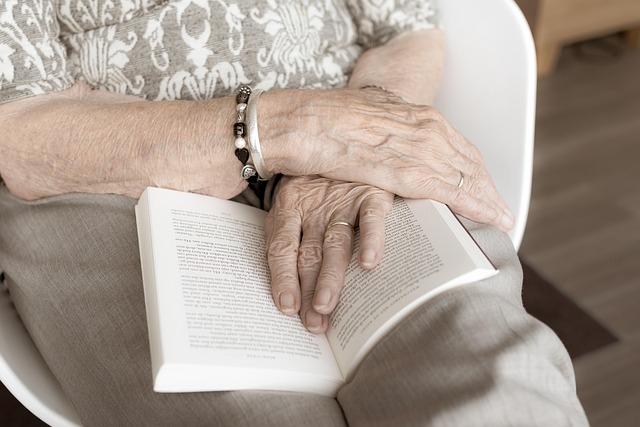
As populations age, real estate becomes a critical driver in urban planning to meet seniors' unique needs. Key strategies include universal design principles, accessible outdoor spaces, intergenerational community centers, and collaboration with gerontologists. Real estate developers can create inclusive communities that support aging in place by incorporating flexibility, natural light, and tailored services, fostering social interaction and independence for all ages.
As our population ages, catering to the unique needs of older adults becomes increasingly vital. The demand for housing and communities designed with their well-being in mind is rising, presenting a significant challenge—and opportunity—for real estate professionals. Currently, many existing housing options fail to accommodate the specific physical, sensory, and social requirements of aging residents. This article delves into the crucial need for age-friendly real estate developments, exploring innovative solutions to create inclusive and supportive living environments. We provide insights on how developers and investors can navigate this landscape, ensuring that tomorrow’s communities are not just homes but truly nurturing spaces for our seniors.
Understanding Aging Resident Needs in Real Estate

As the population ages, understanding the unique needs of older adults in real estate has become a critical aspect of urban planning and development. This demographic shift demands a reevaluation of existing housing options and infrastructure to ensure they cater to the physical, cognitive, and social changes that come with aging. Real estate professionals play a pivotal role in meeting these evolving requirements, fostering inclusive communities where seniors can thrive.
One key area of focus is accessibility. Many older residents have mobility challenges, necessitating homes with features such as wider doorways, grab bars in bathrooms, and no-step entrances. Ramps and elevators should be readily available, especially in multi-story buildings. Additionally, well-lit common areas and clear navigation paths within communities can significantly improve the quality of life for seniors. For instance, a recent study by the National Association of Realtors revealed that 85% of buyers aged 50+ preferred homes with easy access to outdoor spaces, reflecting their desire for maintainable yards or proximity to parks.
Another essential aspect is community engagement and social interaction. Aging residents often value close-knit communities where they can connect with neighbors, participate in social activities, and access local amenities easily. Real estate developers can create intergenerational spaces that encourage interaction between seniors and younger residents, fostering a sense of belonging. Incorporating community centers, garden plots, or shared dining areas can enhance social cohesion. These design elements not only cater to the needs of aging residents but also contribute to more vibrant, inclusive neighborhoods.
Designing Spaces for Comfort and Accessibility

Designing spaces for comfort and accessibility is a critical aspect of catering to the needs of aging residents. As the population ages, real estate naturally must adapt to create environments that not only accommodate but also enhance the quality of life for seniors. This involves incorporating universal design principles, ensuring easy navigation, and providing features that support independence. For instance, wide corridors, lever-style door handles, and non-slip flooring are simple yet effective modifications that can make a significant difference in an older adult’s daily routine.
According to recent studies, over 60% of Americans aged 65 and older prefer to age in place rather than move to assisted living facilities. This trend underscores the importance of creating homes and communities that cater to the changing needs of seniors. Real estate professionals can play a pivotal role by designing spaces that facilitate easy movement and access to essential amenities, such as kitchens, bathrooms, and outdoor areas. For example, multi-functional rooms that can be adapted for various mobility levels or smart home technologies that assist with daily tasks can make homes more comfortable and secure for aging residents.
Incorporating natural light, comfortable seating areas, and well-planned layouts can create a sense of calm and reduce the risk of falls, which is a significant concern for older adults. Additionally, designing outdoor spaces that are easily accessible and include features like raised garden beds or modified sidewalks encourages physical activity and social interaction, both crucial elements in maintaining mental and physical health as one ages. Real estate developers and designers should collaborate closely with gerontologists and caregivers to understand the specific challenges and preferences of their target audience.
Practical advice for implementing these changes includes conducting accessibility audits, consulting with experts early in the design process, and prioritizing flexibility over fixed features. By embracing these strategies, real estate professionals can contribute to creating inclusive communities that support the well-being and independence of aging residents, ensuring they remain integral parts of their neighborhoods for years to come.
Building Communities that Thrive with Age

Building communities that thrive with age is a critical aspect of urban planning and real estate development in an aging society. As the population ages, it’s essential to design and implement strategies that cater to their unique needs, ensuring they remain active, engaged, and satisfied within their living environments. This involves creating inclusive spaces that foster social interactions, promote accessibility, and offer tailored services—all of which are key to enhancing the quality of life for seniors. Real estate developers and urban planners can play a pivotal role in shaping these communities by considering the specific requirements of aging residents.
One practical approach is to incorporate universal design principles into new developments. This means designing buildings, public spaces, and amenities that cater to people of all ages and abilities, regardless of their current physical state. For instance, wider doorways, wheelchair accessibility, and easily navigable pathways not only benefit seniors but also individuals with temporary injuries or disabilities. Moreover, well-lit outdoor spaces, benches placed strategically, and adequate rest areas encourage social gatherings and physical activities suitable for all ages. Such inclusive design choices can foster a sense of community among residents, reducing social isolation, which is a significant concern as people age.
Additionally, locating essential services within walking distance or easily accessible transit hubs is vital. This includes healthcare facilities, grocery stores, and recreational centers. According to recent studies, 70% of seniors prefer to age in place, meaning they want to remain in their homes as they get older. Real estate developers can support this preference by creating mixed-use developments that seamlessly integrate residential spaces with convenient amenities, encouraging an active lifestyle well into old age. By thoughtfully addressing these needs, communities can be built that not only accommodate aging residents but also thrive and flourish with them at the center.