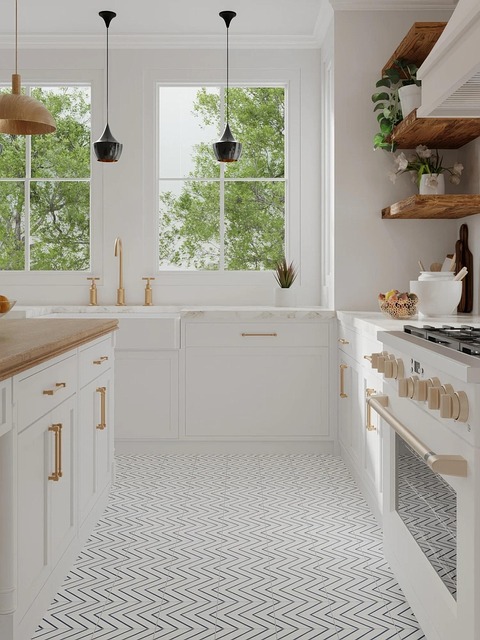
Accessibility features are transforming real estate by creating inclusive living spaces tailored to diverse needs. Integrating design innovations like smart home systems enhances daily routines for residents with disabilities. Developers and property managers recognize the growing demand for accessible options, particularly among aging buyers. Adopting universal design principles and advanced technologies improves property values, occupancy rates, and senior health outcomes. These practices ensure equal access, foster community engagement, and unlock new possibilities for diverse populations in real estate.
In today’s rapidly evolving world, accessibility features are no longer a mere convenience—they’re an essential component of daily life for many individuals. Real estate naturally plays a pivotal role in shaping our comfort and independence, especially as populations age and diverse needs emerge. The integration of cutting-edge accessibility solutions into residential and commercial spaces is transforming lives, breaking down barriers, and fostering inclusivity. This article delves into the transformative power of these features, exploring how they enrich experiences and create more livable, equitable communities.
Unlocking Real Estate: The Role of Accessibility Features

Accessibility features are transforming real estate by unlocking doors to comfortable living and inclusive communities. In an era where diverse needs and abilities define our global society, integrating accessibility into design and construction is no longer a luxury but a necessity. This shift is not merely about compliance with regulations; it’s about empowering individuals, fostering community engagement, and promoting independence. For instance, consider the impact of wide doorways in multi-family homes, facilitating easy mobility for those using wheelchairs or walkers, or the convenience of lever handles instead of traditional door knobs, making entry quick and effortless for everyone.
In the real estate sector, developers and property managers are recognizing the value of inclusive design. Adaptive technologies such as smart home systems, voice control interfaces, and automated lighting controls are becoming commonplace, enhancing daily routines and improving quality of life for residents with disabilities or limited mobility. For example, a study by the National Association of Realtors (NAR) found that over 70% of buyers aged 50+ prefer homes with features that support aging in place, demonstrating a growing demand for accessible real estate options.
Designing for accessibility doesn’t stop at physical structures; it extends to digital platforms and online interactions. Accessible websites and mobile apps are crucial for individuals who rely on assistive technologies, ensuring equal access to information and services. Real estate professionals can contribute by adopting inclusive practices, such as providing detailed descriptions of properties, including dimensions and layout details, and offering virtual tours alongside in-person visits. By embracing these strategies, the real estate industry can continue to unlock new possibilities for comfort, convenience, and community engagement across diverse populations.
Daily Comfort: Designing Spaces for Everyone
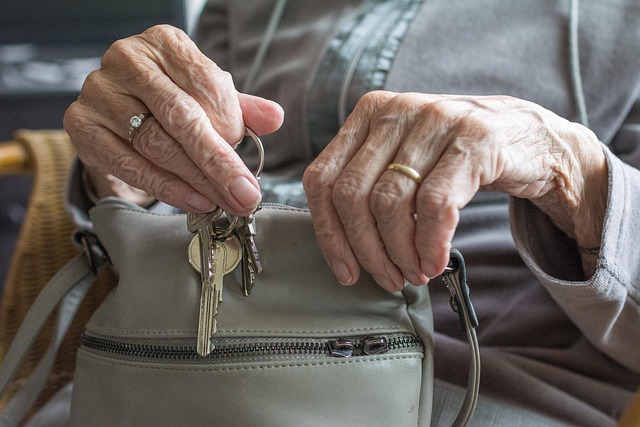
In the realm of daily comfort, designing spaces that cater to a diverse range of abilities is not merely a moral imperative but a strategic necessity in real estate. Accessibility features, when thoughtfully integrated, enhance the overall experience for all occupants, ensuring no one is left behind. This approach has profound implications, especially as we navigate an increasingly aging population and a world where disability is more common than often realized.
Consider, for instance, the simple act of entering a building. For those with mobility challenges, a ramp or elevator provides seamless access, while well-placed signage and wide doorways offer convenience and independence. Such adjustments not only facilitate movement but also foster a sense of inclusion and equality. This principle extends to various aspects of daily life within a space, from easily operable lighting controls and hardware to clear, unobstructed pathways—all contributing to an environment that supports accessibility naturally.
Expert architects and designers advocate for universal design principles, which emphasize the creation of spaces adaptable to a wide range of users, regardless of age or ability. By implementing these guidelines, real estate developers can ensure their properties are not only compliant with regulations but also economically viable in the long term. For example, a recent study by the National Center for Accessible Housing revealed that accessible design features often increase property values and enhance occupancy rates. This data underscores the practical benefits of prioritizing accessibility from the outset, transforming it from a cost into a competitive advantage.
To achieve true inclusivity, real estate professionals must embrace an holistic approach, considering not just physical modifications but also sensory considerations and technology integrations. From tactile floor surfaces that aid in orientation to audio and visual systems that support those with visual or auditory impairments, every detail plays a role. By naturally incorporating these elements into the design process, developers can create spaces where everyone feels welcomed, comfortable, and at ease—a testament to the transformative power of thoughtful planning.
Empowering Individuals: Advanced Tech in Daily Living

Advanced technological innovations are transforming daily living, offering unprecedented support for individuals with diverse needs and abilities. In real estate, this translates into creating inclusive environments that cater to everyone. Features such as voice control, smart home automation, and customizable interfaces not only improve accessibility but also empower users, enhancing their independence and overall quality of life. For instance, individuals with visual impairments can navigate their homes seamlessly using voice-guided systems that provide real-time information on daily activities.
These technologies are particularly impactful in senior living communities and adaptive housing designs. Smart home devices can automate tasks like lighting adjustments, temperature control, and security systems, simplifying routines and reducing physical strain. Furthermore, wearable technology and smart appliances enable remote monitoring of health parameters, early detection of falls or emergencies, and personalized assistance tailored to individual needs. Data from the World Health Organization (WHO) highlights that improving accessibility in housing can lead to significant reductions in injury-related hospital admissions among older adults.
Empowering individuals through advanced tech goes beyond physical comfort; it fosters social inclusion and community engagement. Accessible digital platforms facilitate virtual connections, enabling those with mobility challenges to participate in social events, educational programs, and support groups. As the field of assistive technology continues to evolve, real estate professionals have an opportunity to revolutionize living spaces, ensuring that every resident can live independently, comfortably, and securely. Adopting these innovations not only meets the growing demand for inclusive housing but also aligns with broader sustainability goals by promoting efficient use of resources.